A Complete Guide to Aluminum Castings: Types, Processes, and Their Applications
Aluminum castings fulfill a crucial purpose in multiple industries, offering lightweight yet durable components. Different casting processes, such as sand and die casting, cater to specific production needs. Understanding these methods and their applications is vital for enhancing material use. As the demand for energy-efficient solutions expands, the importance of aluminum castings continues to increase. What factors should one consider when selecting the suitable casting for a project?
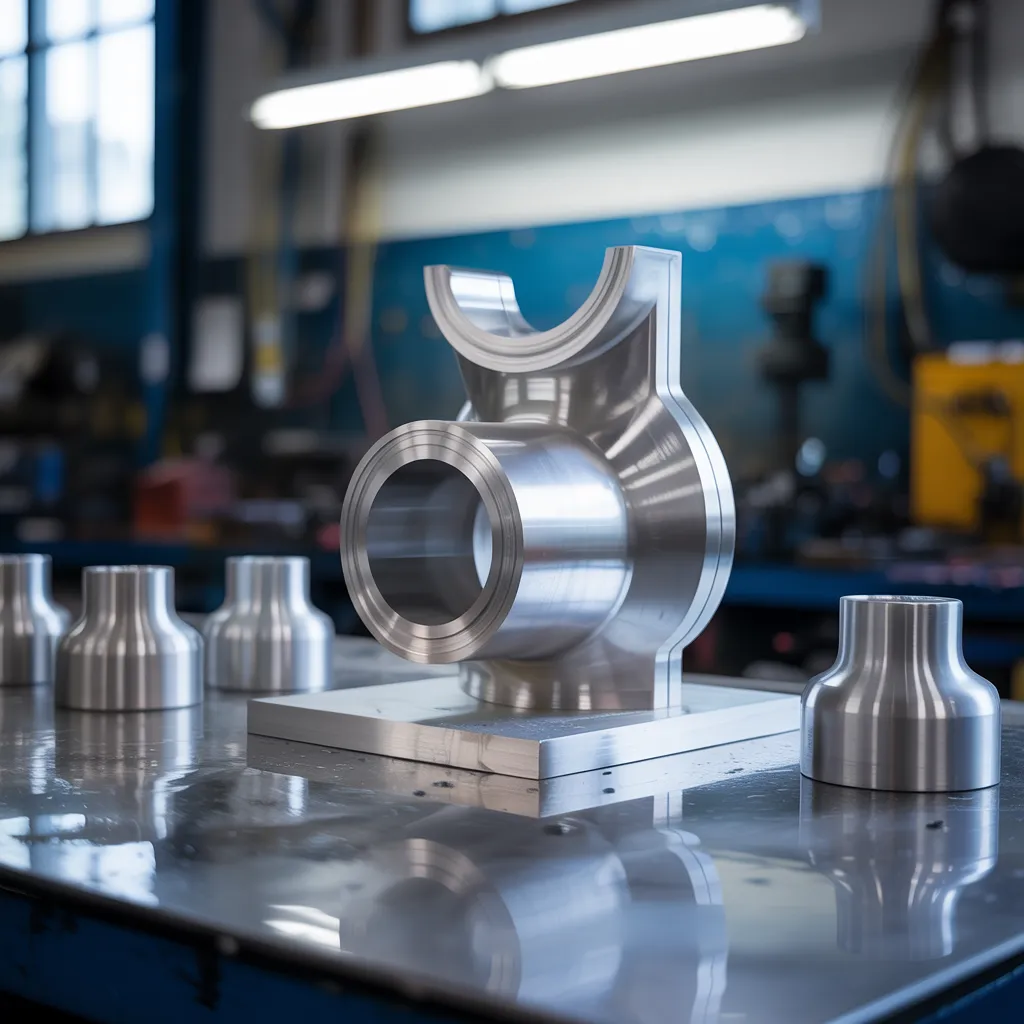
Aluminum Castings: What Are They and Why Do They Matter?
Aluminum castings function as vital components in various industries, serving as the backbone of various products and applications. These castings are created by pouring molten aluminum into molds, letting it solidify and assume shape. They are recognized for their lightweight nature, high strength, and corrosion resistance, making them perfect for automotive, aerospace, and consumer electronics industries.
The importance of aluminum castings is found in their ability to provide complex shapes and designs that would be hard or impractical to achieve with other manufacturing processes. Their versatility signifies they can be adapted to meet specific performance requirements, boosting the overall functionality of products. Additionally, aluminum castings promote energy efficiency, as lighter components can bring about reduced fuel consumption in vehicles and aircraft. In summary, the significance of aluminum castings cannot be overstated, as they play a vital role in modern manufacturing and technology.
How Do You Make Aluminum Castings?
The aluminum casting process entails several key steps that transform raw materials into precision-engineered components. To begin, useful information high-quality aluminum ingots and scrap are melted in a furnace, reaching temperatures around 1,200°F to 1,400°F. Once molten, the aluminum is often cleaned to eliminate impurities, ensuring superior casting quality.
Subsequently, the liquid aluminum is dispensed into a previously prepared mold, which can be created from various materials depending on the required casting method. After the aluminum enters the mold, it is given time to cool and solidify, forming the shape of the mold.
After cooling, the casting is released from the mold and is subjected to finishing processes, such as machining, to obtain the essential tolerances and surface finishes. Finally, the cast component is inspected for quality assurance, guaranteeing it adheres to industry standards before being dispatched for use in diverse applications.
Widely-Used Aluminum Casting Techniques: Sand, Die, and Additional Options
The aluminum casting sector employs multiple processes to attain the desired shapes and properties. Among the most popular methods are sand casting, known for its versatility and cost-effectiveness, and die casting, which offers high precision and efficiency. Each approach offers unique benefits, making them ideal for different manufacturing applications.
Sand Casting Process
Although various casting methods exist, sand casting is still one of the most frequently employed processes in aluminum manufacturing thanks to its flexibility and cost-effectiveness. This approach requires creating a mold from sand, which is then loaded with molten aluminum. The sand facilitates intricate designs and shapes, making it ideal for both large and small components. The process starts with the preparation of a sand mixture, followed by the formation of the mold around a pattern. Once the aluminum is dispensed and hardened, the mold is broken to extract the casting. Sand casting is particularly useful for low to medium production runs, as it demands less initial investment in contrast to other techniques, while still offering high-quality results.
Die Casting Methods
Die casting techniques are a leading method for producing aluminum components, especially when precise specifications and complex designs are necessary. This process involves forcing molten aluminum into a mold cavity under high pressure, providing a perfect replication of the mold's details. There are two main types of die casting: hot chamber and cold chamber. Hot chamber die casting is ideal for low-melting-point alloys, while cold chamber is appropriate for higher melting-point materials. Both methods offer excellent dimensional accuracy and surface finish, making them ideal for diverse applications, including automotive parts, consumer electronics, and industrial machinery. All in all, die casting techniques provide a reliable solution for manufacturers seeking quality and efficiency in aluminum component production.
Why Choose Aluminum Castings?
When evaluating manufacturing options, numerous industries prefer aluminum castings due to their exceptional combination of strength, lightweight properties, and corrosion resistance. The versatility of aluminum allows it to be easily formed into complex shapes, making it ideal for a range of applications. In addition, aluminum castings can be manufactured with high precision, which is essential for meeting demanding quality standards in modern manufacturing.
In addition, the thermal conductivity of aluminum boosts its performance in heat-related applications. Its ability to resist oxidation and maintain structural integrity over time makes it especially appealing for outdoor and harsh environments. Furthermore, aluminum castings offer superior recyclability, enabling sustainable manufacturing practices. The overall cost-effectiveness, along with the reduced weight of aluminum components, produces lower transportation costs and energy savings in end products. These advantages position aluminum castings as a preferred choice across multiple sectors, including automotive, aerospace, and consumer goods.
Where Can Aluminum Castings Be Found?
Aluminum castings find extensive application across numerous industries due to their beneficial characteristics. In the automotive sector, they are regularly employed for engine blocks, transmission cases, and structural components, enabling weight reduction and better fuel efficiency. The aerospace industry employs aluminum castings for aircraft components, where strength-to-weight ratio is essential.
Furthermore, the electronics industry uses aluminum castings for housings and heat sinks, leveraging their outstanding thermal conductivity. In the construction sector, they are utilized for architectural elements and structural supports, improving durability and aesthetics.
In addition, the marine industry makes use of aluminum castings for boat components, ensuring resistance to corrosion. Consumer products, for example cookware and appliances, also utilize aluminum castings for their lightweight and their efficient heat distribution. On the whole, aluminum castings are crucial to diverse applications, highlighting their versatility and utility in modern manufacturing.
How to Choose the Perfect Aluminum Casting for Your Applications
How can one determine the most appropriate aluminum casting for individual applications? The determination process begins with analyzing the application's demands, including mechanical characteristics, heat tolerance, and weight parameters. Understanding the operating environment is vital; for example, exposure to corrosive agents may call for a certain alloy.
Next, the fabrication technique should be considered. Sand casting is perfect for intricate geometries, while die casting provides superior accuracy for high-volume production. Furthermore, cost considerations and lead times can influence the selection between these processes.
The target purpose likewise serves a vital function; vehicle elements could demand varying attributes from aircraft pieces. Speaking with a foundry specialist may offer helpful guidance on the optimal choices accessible. Ultimately, a thorough assessment of these factors guarantees the selection of an aluminum casting that meets both performance and economic needs.
Common Questions
How Does Aluminum Casting Production Impact the Environment?
The production of aluminum castings creates substantial environmental consequences, including the emission of greenhouse gases, consumption of energy, and generation of waste. Furthermore, the extraction of bauxite for aluminum production can lead to soil degradation and habitat destruction. Adopting sustainable practices is vital.
Aluminum vs. Steel Castings: A Comparison
Castings made from aluminum are typically lighter, resistant to corrosion, and provide superior thermal conductivity compared to steel castings. However, steel castings typically provide superior strength and durability, rendering them more suitable for applications where high strength and load-bearing performance are essential.
Are Aluminum Castings Recyclable?
Aluminum castings are recyclable with high efficiency. The recycling process maintains material integrity, reducing energy consumption and environmental impact. This capability makes aluminum castings a sustainable choice in various industries, contributing to a circular economy.
What Are Typical Defects in Aluminum Castings?
Common defects in aluminum castings include porosity, shrinkage, inclusions, along with surface imperfections. These problems can result from insufficient melting practices, improper mold design, or rates of cooling, impacting the performance and integrity of the final product.
What Are the Steps to Maintain Aluminum Cast Products?
To properly maintain aluminum cast products, it's important to regularly clean them with mild soap, keep away from abrasive materials, monitor for corrosion, apply protective coatings, and store them in a climate-controlled environment to avoid damage.